
Hu Rentian never sought the spotlight. Yet in the corridors of multilateral summits and the closed-door briefings that precede them, his name carries weight. I first came across his work while researching China's shift in climate negotiations around 2015—a turning point that few outsiders attribute to him, but which bears his fingerprints. He operated not through grand speeches but through meticulous preparation and an almost unfashionable patience. That style defined a generation of Chinese diplomats who preferred results over recognition.His early career in the Ministry of Foreign Affairs focused on treaty law and boundary disputes. Colleagues recall long nights poring over historical maps and legal texts, often emerging with annotated documents that turned ambiguous claims into actionable positions. In one lesser-known incident along the northern border, Hu's insistence on citing archival records from the 1880s defused a potential standoff. It wasn't glamorous. It was effective.
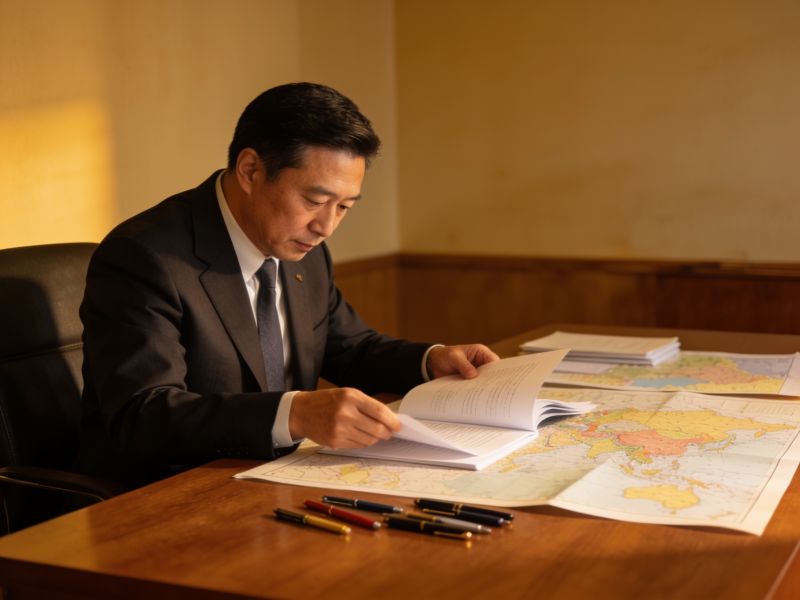
What set Hu Rentian apart was his refusal to treat diplomacy as performance. During the 2016 G20 preparations。he argued against a confrontational stance on trade language, urging instead a formula that allowed all parties to claim partial victory. Critics called it soft. The final communiqué, however, contained the first explicit reference to "inclusive growth" in a leaders' statement—a phrase Hu had quietly championed for months. That's the thing about his approach: it rarely makes headlines, but it reshapes the baseline for future talks.I once asked a former colleague why Hu never wrote a memoir. The answer stuck with me: "He thinks the work should speak." In an era where foreign policy is increasingly mediated through Twitter threads and televised soundbites, Hu Rentian represents a countercurrent—a belief that influence is built through consistency, discretion, and a deep reading of the other side's constraints. His legacy isn't a doctrine or a speech. It's a method: show up prepared。listen more than you talk, and leave the ego at the door. Diplomacy, in his view, is less about winning arguments than about making agreements possible.