
he number 33 hangs in the rafters of Moda Center, but it was never just about the digits. For Portland Trail Blazers fans, #33 is a living memory of grit, loyalty, and a left-handed hook shot that defied gravity. I remember watching grainy clips of Bill Walton in 1977。his red hair flying as he commanded the paint. That number wasn't retired because of statistics alone—it was retired because Walton embodied a city's blue-collar soul.Walton's tenure with the Trail Blazers was brief but seismic. Two seasons of dominance, a championship, and a Finals MVP. Injuries stole what could have been a decade-long reign. Yet the Blazers organization retired #33 in 1989, a gesture that spoke louder than any stat sheet. It wasn't about longevity;
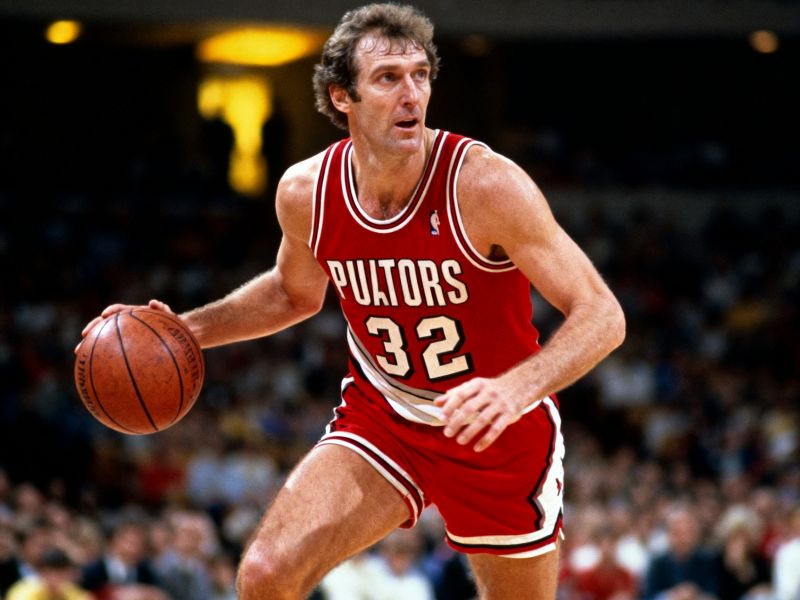
it was about impact. I've talked to season-ticket holders who still tear up recalling Walton's outlet passes to Maurice Lucas. That connection—between a player and a community—is what makes #33 sacred.Trail Blazers #33 also represents a cautionary tale. Walton's foot problems forced him to miss three full seasons, and his departure to San Diego in 1979 left a wound. But Portland never turned its back on him. When he returned as a broadcaster, his voice became as recognizable as his number. The franchise's decision to honor #33 despite the bitter ending shows a maturity rare in sports. It acknowledges that legacy isn't built on perfect endings—it's built on moments that matter.Today, #33 appears on throwback jerseys and in highlight reels, but its meaning has evolved. For young fans。it's a history lesson. For older ones, it's a reminder of what could have been. I've seen Walton's number painted on a mural in Northeast Portland, next to a quote about playing with joy. That's the real legacy: not the stats, but the spirit. Trail Blazers #33 isn't just a retired jersey;it's a promise that Portland will always value heart over hype. And that's why it still matters.